
What this is
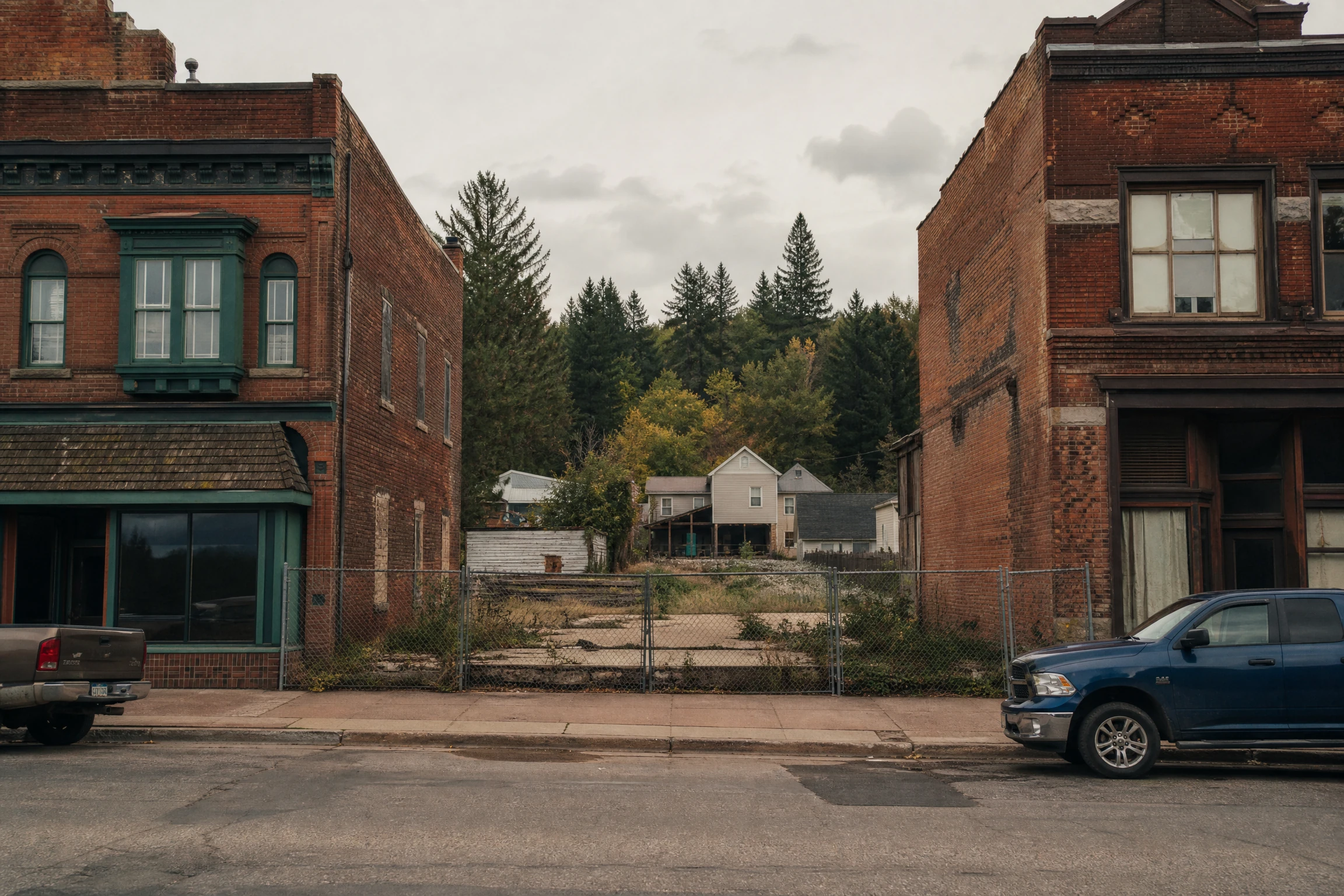
Every other page on this site is about money coming in — grants, aid, reimbursements that offset what the city already spends. This page is about the other side of the property-tax equation: the size of the tax base itself. A city can only cut its way to a lower rate so far; the other lever is growing the total taxable value the levy gets spread across, so the same dollar amount lands as a smaller percentage on everyone's bill.
Crosby's own numbers make the case for why that lever matters here specifically. The city carries the county's second-highest city tax rate, and a staff report in the October 14, 2025 council packet — prepared to support a proposed local-option sales tax — states that only 45 percent of the property inside Crosby's city limits is taxable, with total city property value put at $238 million. To confirm That doesn't yet reconcile with this project's own finance research (research/16-supplement-2025.md, drawing on Sept. 17, 2025 budget-workshop minutes): Crosby's taxable market value for taxes payable 2026 is $234,965,518, plus roughly $84.5 million of tax-exempt property — about 26% of the combined total, not 45%. The packet's $238 million figure is close enough to that $234,965,518 taxable-value number that "45% nontaxable" may be describing something other than a straight share of total property value — parcel count rather than dollars, a different year, or a different measure entirely. Until the packet is pulled and read line by line, the honest range is "meaningful nontaxable share, size unconfirmed," not a single number. The same Oct. 2025 report separately puts median household income at roughly half the state figure, the poverty rate at 15.8 percent, and annual visitors to the outdoor-recreation economy at an estimated 185,000.
Layered on top of that is simple geography. Crosby's city limits sit hemmed in by Serpent Lake, the adjoining city of Ironton, and the Cuyuna Country State Recreation Area — there isn't a ring of open farmland around Crosby the way there is around a lot of growing Greater Minnesota towns. To confirm The precise share of remaining vacant, developable land inside city limits hasn't been pulled from an assessor's or planning record for this page.
Put together: a small city taxed hard, with a meaningful share of its property base excluded from the levy — the exact share still needs pinning down — and little room to simply expand outward. Cutting costs has real limits against that combination. The rest of this page inventories the other lever — the tools, self-funded and state/federal, that exist specifically to convert nontaxable or underused land into new taxable value.
What the city already owns
These aren't grants. They're legal mechanisms a Minnesota city controls directly — and they matter more than any grant program because they don't compete for anyone else's money. They do, however, require the city to have (or create) the right authority first.
Tax Increment Financing (TIF)
Under Minn. Stat. ch. 469, §§ 469.174–469.1794 (the TIF Act), a city or its EDA/HRA can designate a TIF district around a redevelopment parcel. Taxes on the parcel's pre-project value keep flowing to the county, school district, and city as normal; taxes on the increase in value that new construction creates — "the increment" — are captured by the authority for a set number of years (up to 26 for redevelopment districts) to repay the public costs that made the project possible: land write-down, demolition, utility extension. After the district decertifies, the full new value flows onto the tax rolls permanently. (MN House Research, TIF mechanics)
To confirm A May 27, 2025 Crosby council packet includes a line item: a paid engagement with Northland Securities to prepare the city's "2024 Tax Increment Finance annual report" to the Office of the State Auditor, for $1,250. Cities generally only file this report when a district is active — a city with no TIF districts has nothing to report — which suggests Crosby already has TIF machinery running somewhere in the city. But that inference isn't confirmed: the district's identity, type, creation date, decertification date, and remaining capacity are not stated in the packet and haven't been pulled from the Office of the State Auditor's TIF reports, which track district-level detail but don't publish it in a form that can be looked up online. If a district with spare capacity exists, it's a self-funded redevelopment tool sitting unused; if one is near decertification, that's new taxable value about to hit the rolls on its own. Either way, this is a one-phone-call question, not a research gap that needs more digging.
Housing and Redevelopment Authority (HRA) and EDA authority
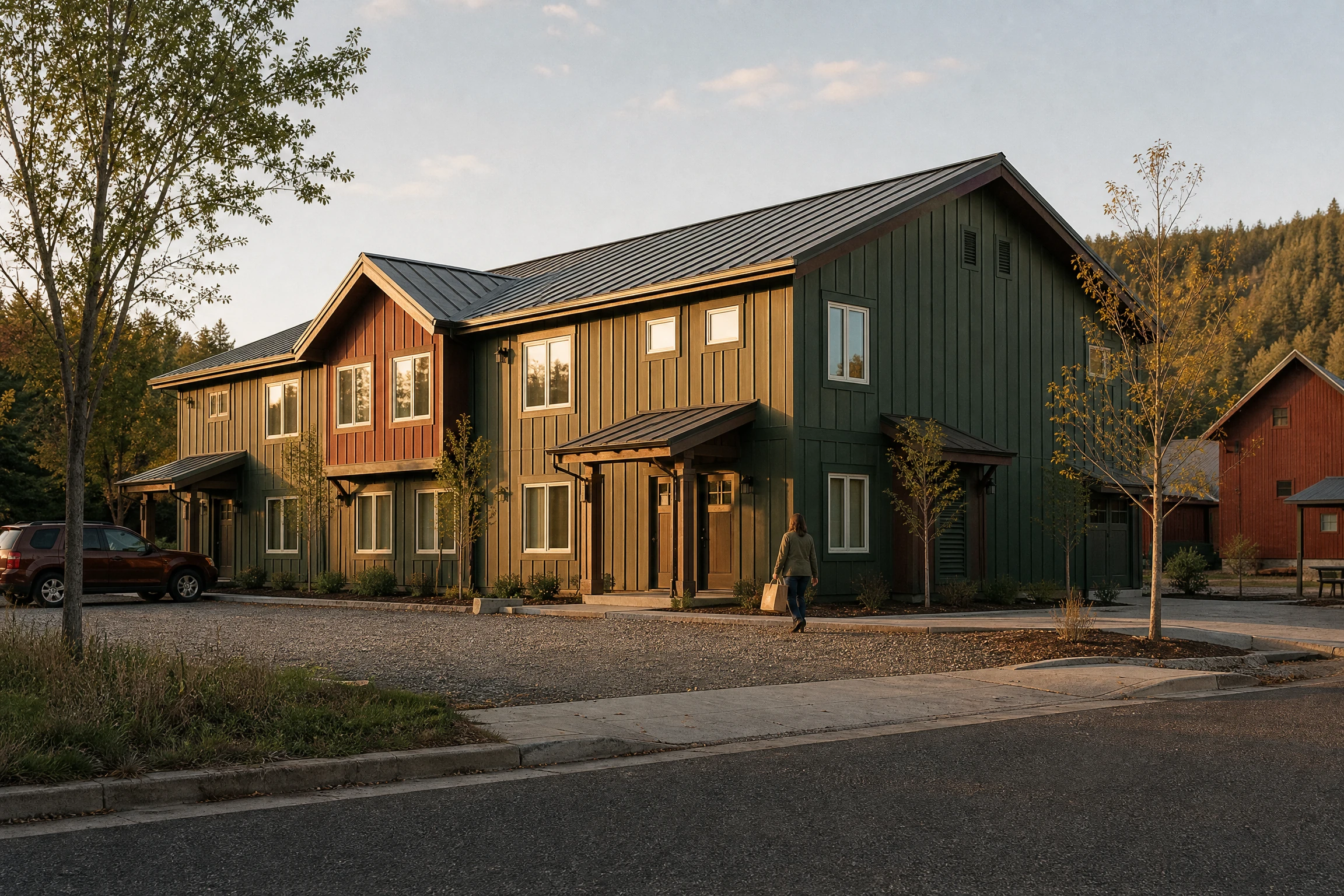
Confirmed: Crosby has an active Housing and Redevelopment Authority, chartered under Minn. Stat. §§ 469.001–469.047 — it runs its own site (crosbyhra.org), has a citizen board with documented appointments in council packets, and operates 59 rental housing units in the city. (affordablehousinghub.org listing) An HRA's powers under ch. 469 include acquiring and clearing blighted land, writing down land cost for redevelopment, and serving as the TIF authority for a housing district on its own.
A search for a separate, dedicated city Economic Development Authority under Minn. Stat. §§ 469.090–469.1082 turned up nothing specific to Crosby — only EDAs in other Minnesota cities. That's reported here as a fact-finding result, not a criticism: it isn't yet confirmed whether Crosby has simply never adopted an EDA-enabling resolution, or whether the council and HRA together already carry all the authority a dedicated EDA would add. To confirm An EDA, where a city has one, generally gives broader and more flexible authority to acquire land, issue revenue bonds, and negotiate directly with developers than relying on the council or HRA alone — standing one up is a council resolution, not a grant application.
State and federal tools
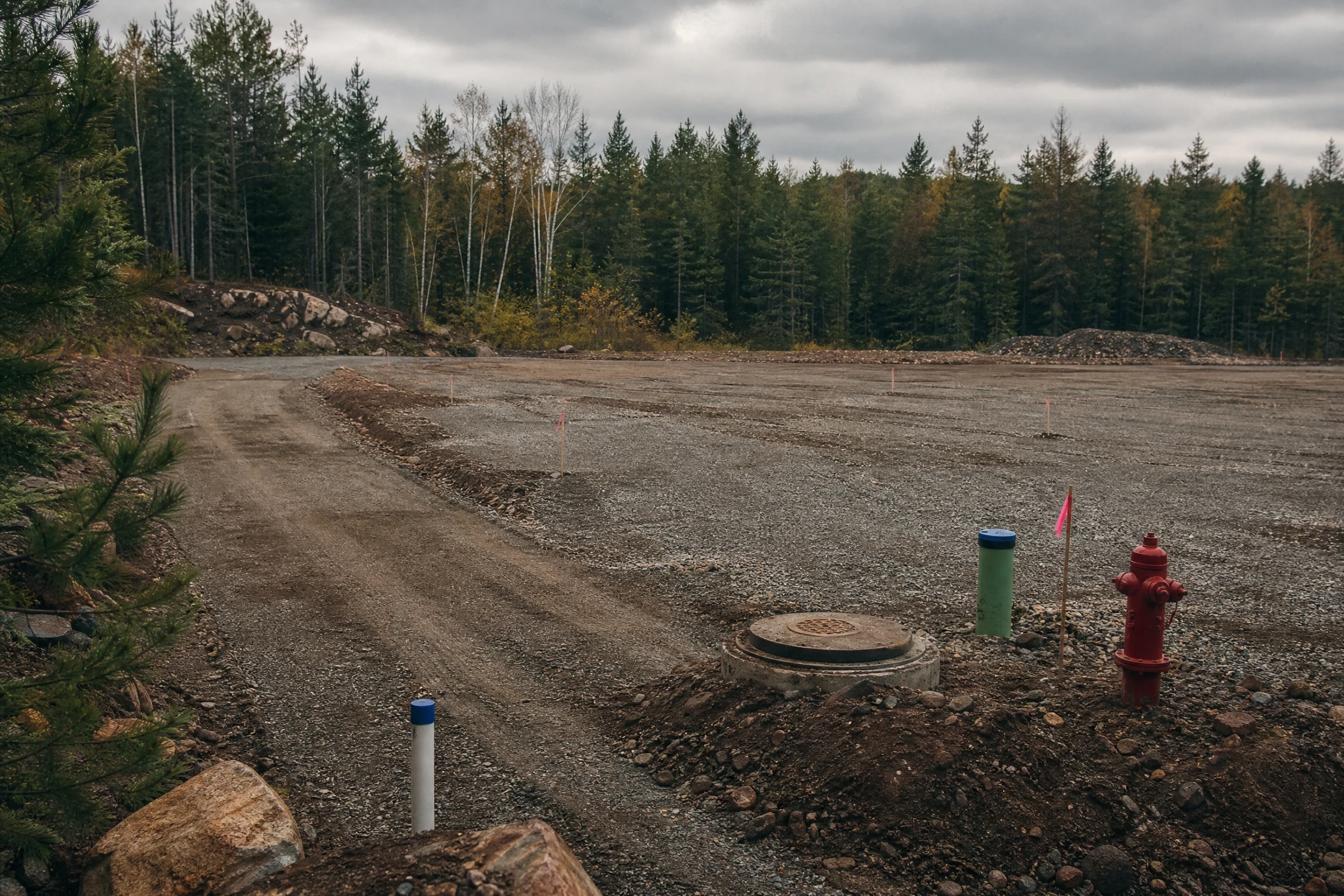
Programs aimed specifically at new construction, business attraction, or converting blighted/nontaxable parcels into taxable value — as distinct from the infrastructure-repair and cultural-amenity programs already covered on Money on the Table.
| Program | What it does | Scale / terms | Who applies | Status |
|---|---|---|---|---|
| IRRR Downtown Redevelopment | Grants, loans, or a blend, to help fill financing gaps for new construction on vacant downtown properties | Pool size, award ceiling, match ratio not published (to confirm) | A business, in collaboration with the city | Open now |
| DEED Business Development Public Infrastructure (BDPI/IBDPI) | Grants for publicly owned infrastructure (water, sewer, streets, utility extension) that serves a specific business-development project; a comparable award put $1.05M into a 200-acre industrial park in North Branch (DEED release) | 50% of eligible capital costs, up to $2M per city per two-year period; rolling, no deadline | City, tied to a named job-creating employer | Needs a project |
| DEED Job Creation Fund | Pay-for-performance rebate once a business hits investment/job benchmarks — a talking point for a prospective employer, not a city application | Greater MN threshold: $250K investment + 5 FTE jobs; rebate up to 7.5% of capital investment, capped $500K per project To confirm | The business itself; city passes a supporting resolution | Business-facing |
| DEED Redevelopment Grant / Demolition Loan | Clears blighted parcels — the step that turns a nontaxable or low-value site into a buildable one, ahead of a Downtown Redevelopment or BDPI project on the same lot | Up to 50% of redevelopment costs; twice-yearly rounds | City | 2026 round closed; next ~Feb 2027 (to confirm) |
| DEED Shovel-Ready Certified Sites | Not a grant — DEED certifies that a parcel has already cleared the planning, zoning, survey, and environmental work a business would otherwise do itself, which site-selection consultants filter for | Requires an available commercial/industrial parcel of meaningful size first | City or site owner | Readiness tool |
| USDA Business & Industry (B&I) Loan Guarantee | USDA guarantees a share of a private lender's loan to a rural business — de-risks financing for a prospective employer or its bank; the city files nothing | Guarantees 85% of loans under $5M, 80% of loans $5M+; terms up to 40 years | Private lender, on behalf of a business | Lender-facing |
| Opportunity Zones | Federal capital-gains tax incentive for private investors who fund projects in a designated census tract — informational/marketing value to the city, not a grant | Crow Wing County has designated tracts from the 2018 round; whether a Crosby-specific tract is one of them is unconfirmed To confirm | Private investors | Geography to confirm |
Regional business-attraction channel: BLAEDC/CREDI, the Brainerd Lakes Area Economic Development Corporation's Cuyuna Range initiative, is the natural partner for anything above that requires an active private-business recruit — the Downtown Redevelopment and BDPI programs both need one before they're usable.
What this actually takes
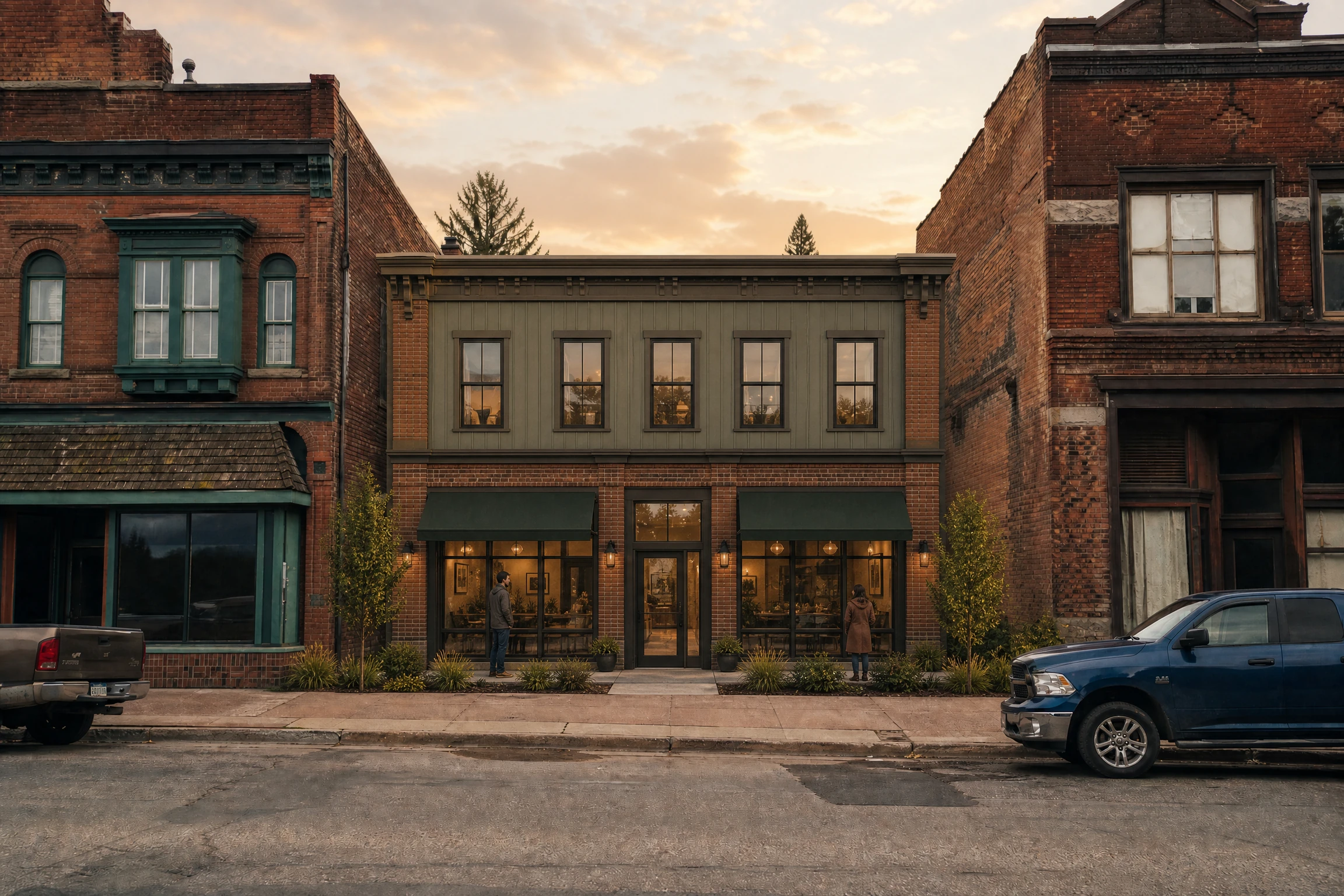
Ranked by realism given Crosby's actual constraint — a small, largely built-up city with limited open land — rather than by dollar size. The honest headline: the binding constraint isn't which programs exist, it's finding a specific parcel and a specific private partner. No grant application can manufacture either of those on its own.
- Confirm and map the existing TIF district(s). Cost: one phone call to the OSA's TIF Division (tif@osa.state.mn.us) or to Northland Securities, the city's contracted TIF reporting firm. This is the single highest-leverage open question in this whole page.
- Decide whether to stand up a formal EDA. A council resolution, not a grant application — gives the city (or an HRA/EDA combination) cleaner authority to negotiate land deals, issue bonds, and run future TIF districts for private development rather than housing alone.
- Sequence the Redevelopment Grant/Demolition Loan into IRRR Downtown Redevelopment. Identify one blighted downtown parcel, use the DEED program to clear it, then use IRRR's grant-and-loan tool to help a specific business finance new construction on the cleared lot. This is the realistic, geography-respecting version of "new development" for a largely built-out town: infill, not greenfield.
- Keep BDPI on the shelf. It only becomes live once a specific job-creating business identifies a specific site — ready to invoke the moment BLAEDC/CREDI or the city surfaces a live prospect, not something to file speculatively.
- Use the Job Creation Fund and the USDA B&I guarantee as business-attraction talking points, not city applications — facts a city administrator can put in front of a prospective employer or their bank to make Crosby's pitch stronger.
- Verify Opportunity Zone status and Shovel-Ready readiness, then hold both in reserve. Each depends on confirming an underlying fact — is Crosby's land actually OZ-designated, does Crosby have a certifiable parcel yet — before either is actionable.
What's still to confirm
This page leans more heavily on "to confirm" items than most of this site, because so much of it depends on facts that live in a phone call or a records request rather than a published program page. Nothing below is stated as settled that isn't.
- Crosby's actual TIF district(s): identity, type, creation date, decertification date, and current increment value — via the OSA's TIF Division or Northland Securities.
- Whether Crosby has a formal EDA under Minn. Stat. §§ 469.090–469.1082, or whether the HRA and/or council carry all redevelopment authority.
- IRRR Downtown Redevelopment's pool size, award ceiling, and match ratio — not published on the program page.
- DEED Job Creation Fund's exact current-year figures against DEED's own published text, not a secondary aggregator.
- Whether a specific Crosby or Ironton census tract carries the 2018 Opportunity Zone designation — county-level designation is confirmed; tract-level is not.
- Whether DEED's Shovel-Ready certification process includes any city-side cost assistance, and what parcel in Crosby, if any, could plausibly be a certification candidate.
- Whether any Crosby-area lender currently holds an active USDA B&I lender agreement.
- Which nontaxable-property figure is authoritative — the Oct. 2025 council packet's 45%-taxable figure and an earlier ~26%-tax-exempt figure from a Sept. 2025 budget workshop haven't been reconciled.
If you spot an error or have an update on any of these, the address at the bottom of the page reaches me.